 Medivox
Mediterranean Herbal Heritage
Exploring Traditional Tribulus terrestris and Trigonella foenum-graecum
Introduction
Medivox is an independent educational resource dedicated to sharing knowledge about traditional Mediterranean herbal practices. This site provides factual botanical and historical information about two culturally significant plants: Tribulus terrestris (puncture vine, tribolo) and Trigonella foenum-graecum (fenugreek, fieno greco).
Through centuries of Mediterranean and traditional practices, these plants have held important places in regional wellness customs. Our mission is to educate about their botanical characteristics, historical significance, and traditional preparation methods—purely for informational purposes.
Tribulus terrestris: The Puncture Vine
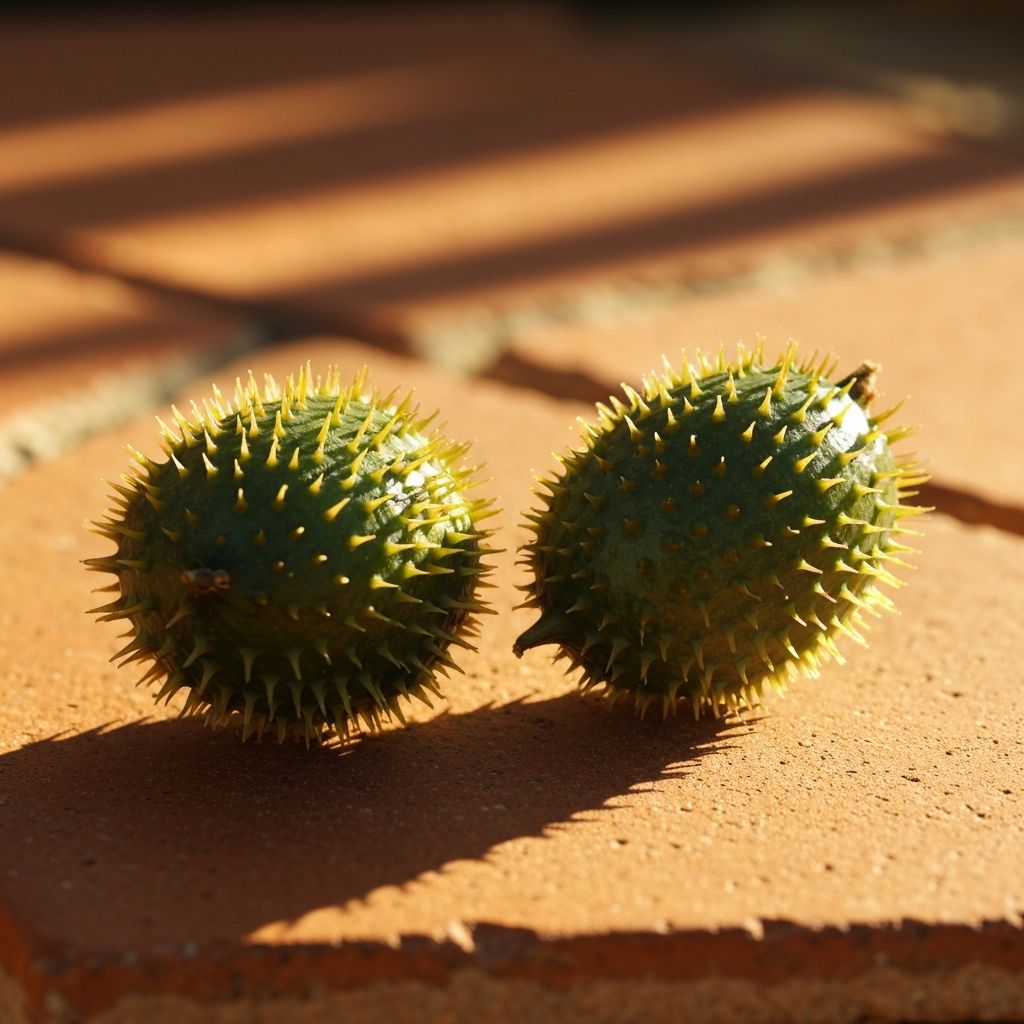
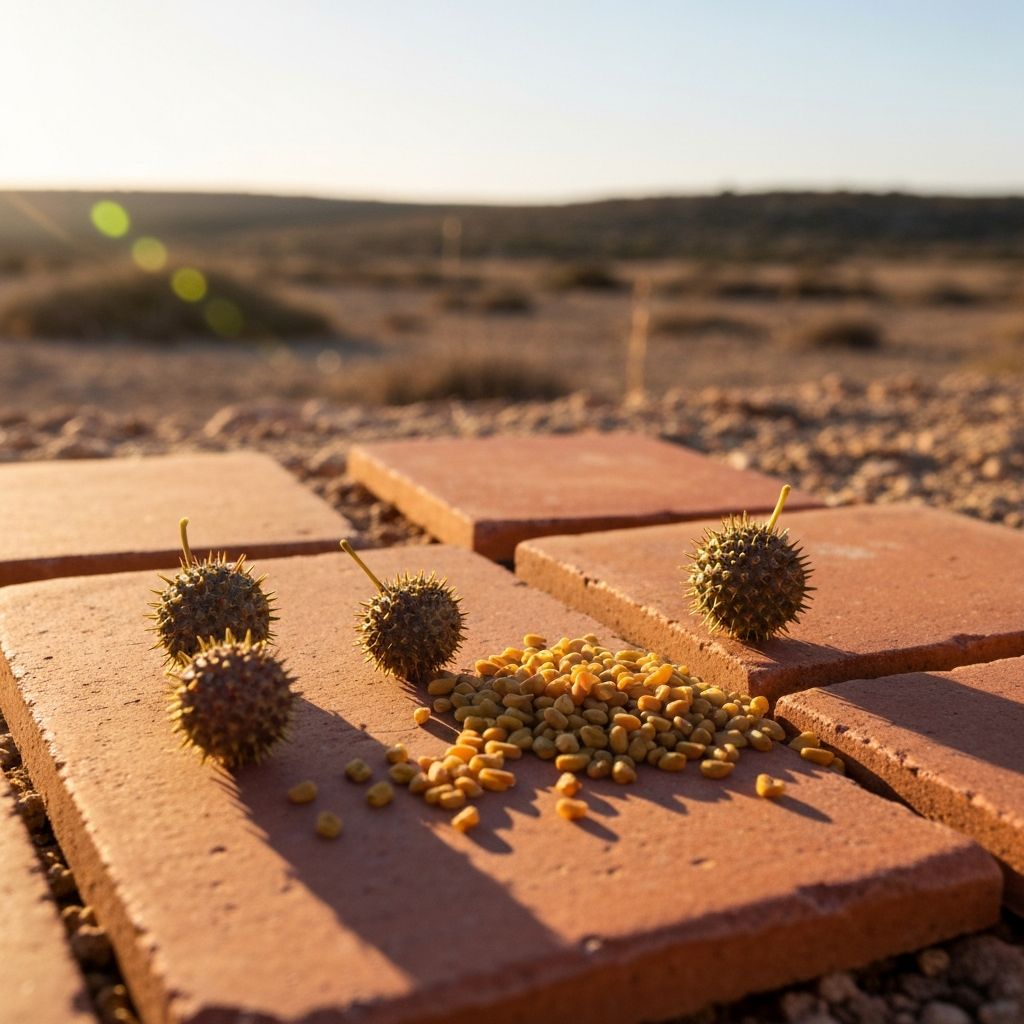
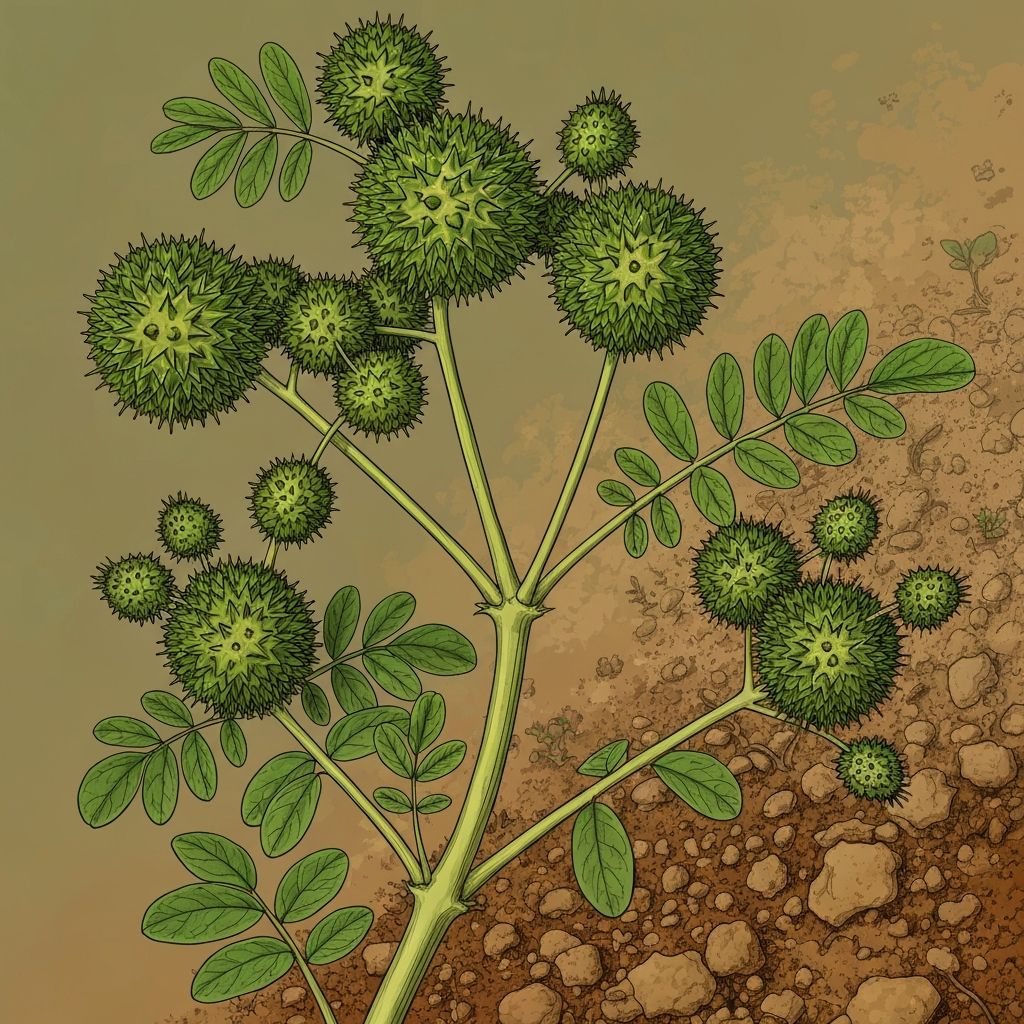
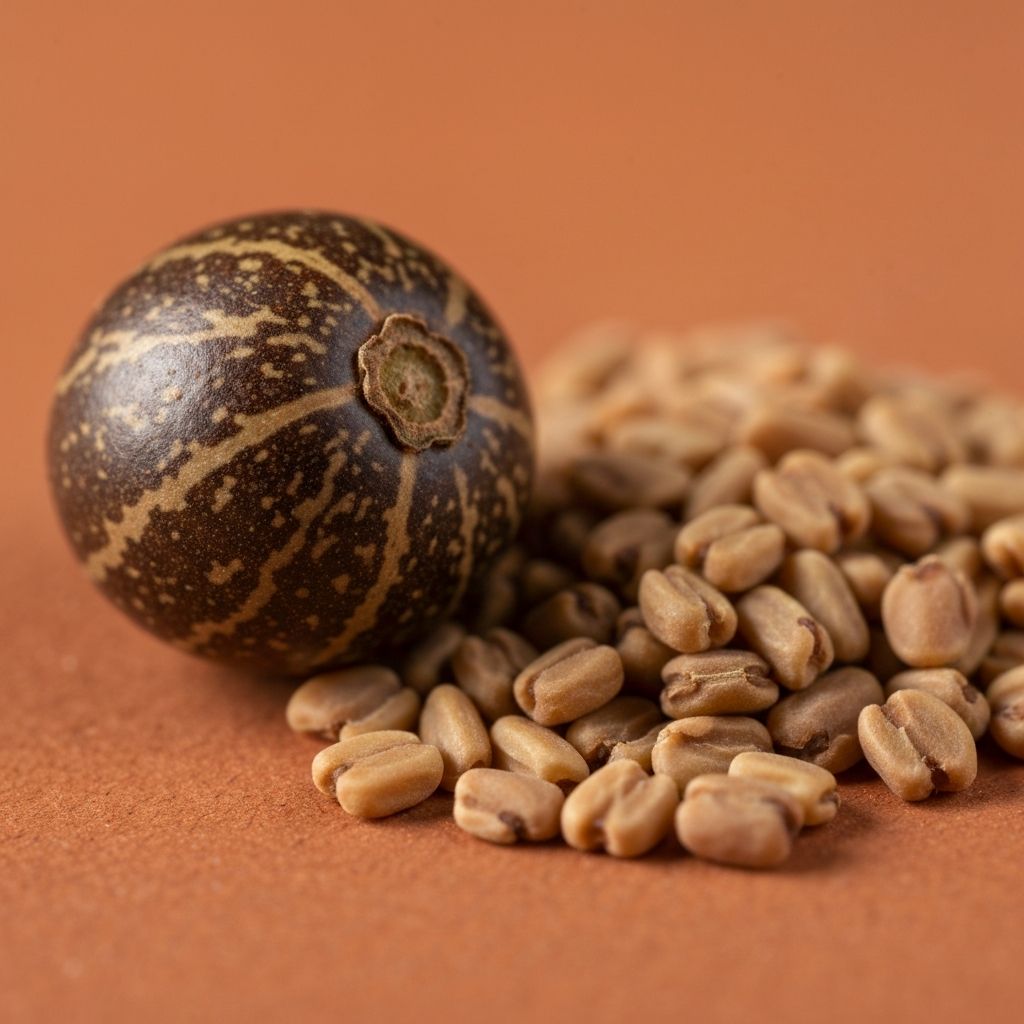
Tribulus terrestris, commonly known as puncture vine or tribolo in Italian, is a creeping plant native to arid and tropical regions. The plant is characterized by its distinctive spiky seed pods and fine pinnate leaves.
This hardy plant thrives in Mediterranean climates and has been documented in traditional Mediterranean and Middle Eastern wellness practices. Its presence in various regional herbal traditions reflects its historical significance in cultural wellness contexts.
The plant's botanical profile includes drought resistance, low growth habit, and distinctive fruit morphology that has made it easily recognizable across generations of herbalists.
Trigonella foenum-graecum: Fenugreek
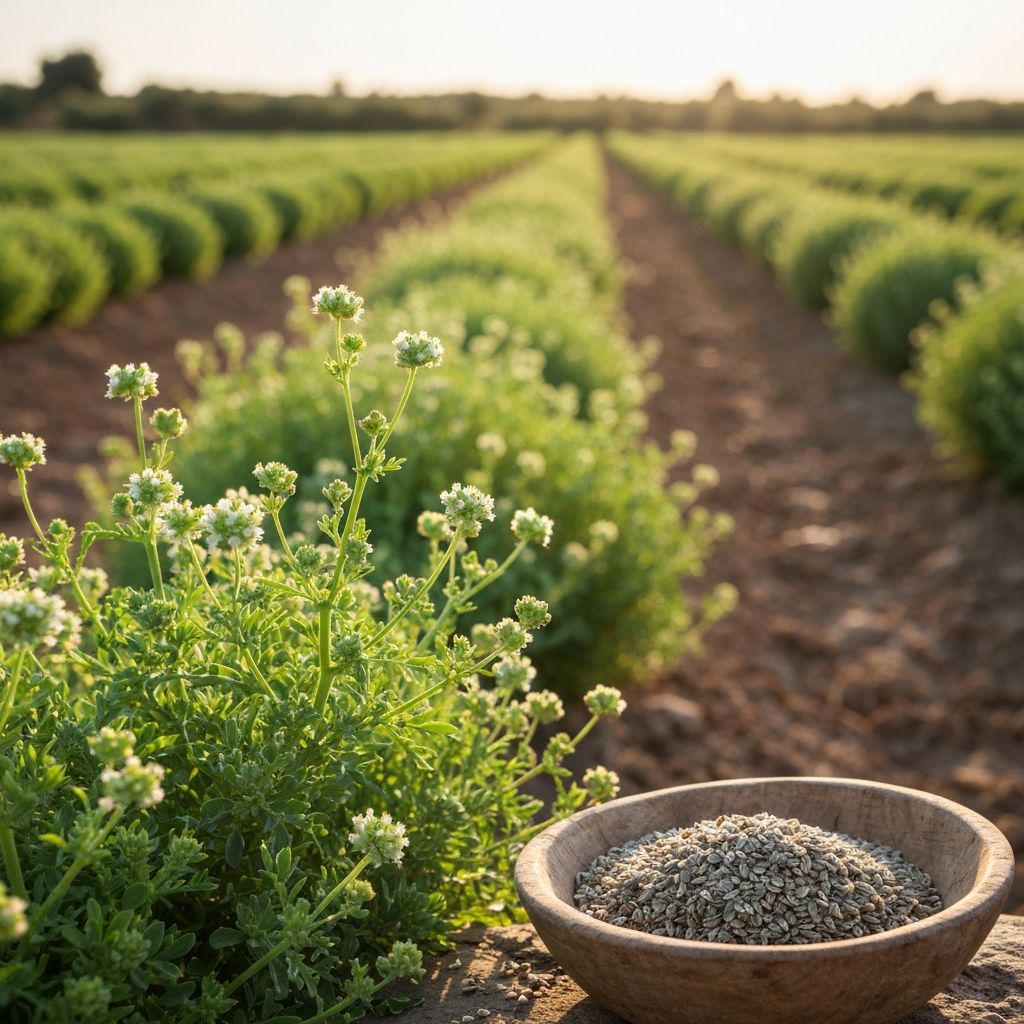
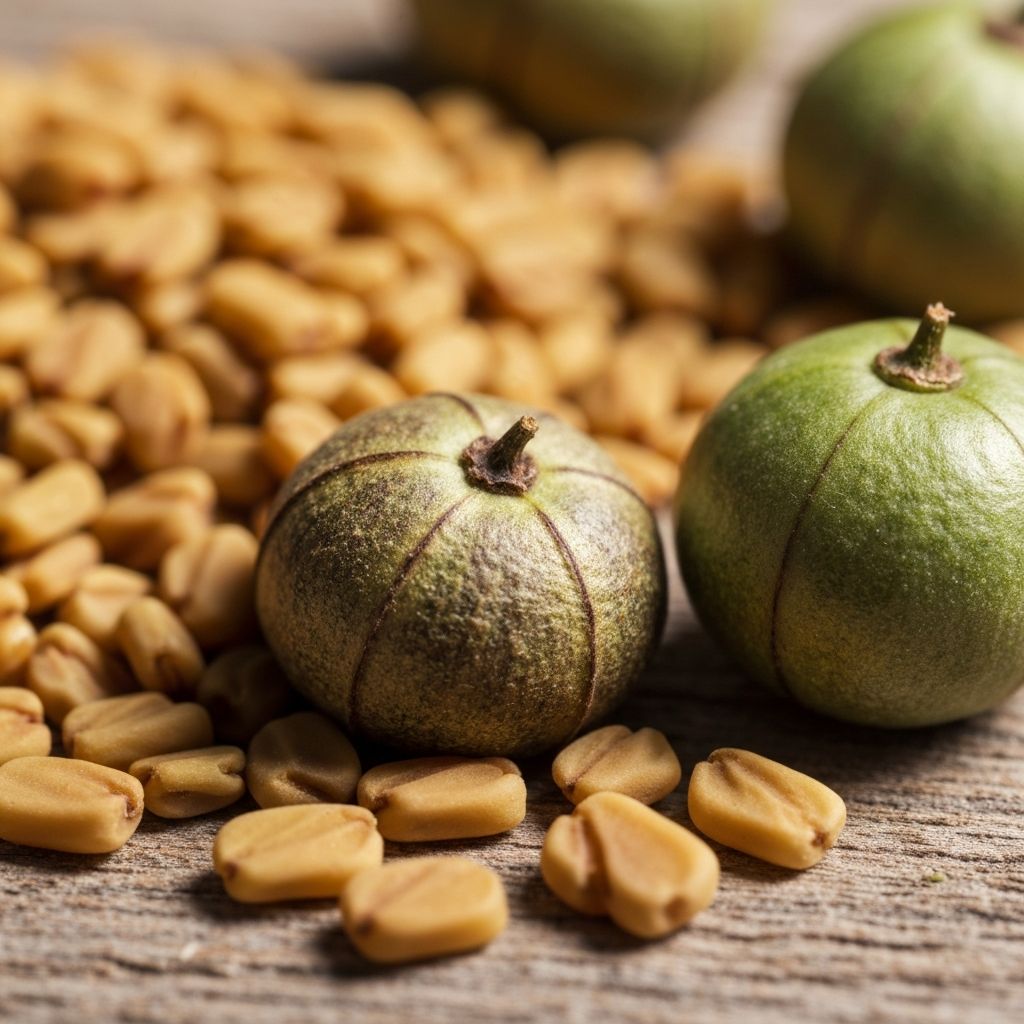
Trigonella foenum-graecum, known as fenugreek or fieno greco in Italian, is an herbaceous annual plant belonging to the legume family. It is characterized by oval-shaped leaves arranged in threes and small yellowish flowers.
Fenugreek has been cultivated throughout the Mediterranean, Indian, and Middle Eastern regions for thousands of years. The plant's seeds are the primary component used in traditional preparations and hold significant cultural importance in Mediterranean folk practices.
The warm aroma and distinctive taste of fenugreek seeds have made them a staple in traditional herbal preparations, with documented use across multiple cultural traditions spanning centuries.
Historical Use in Mediterranean Traditions
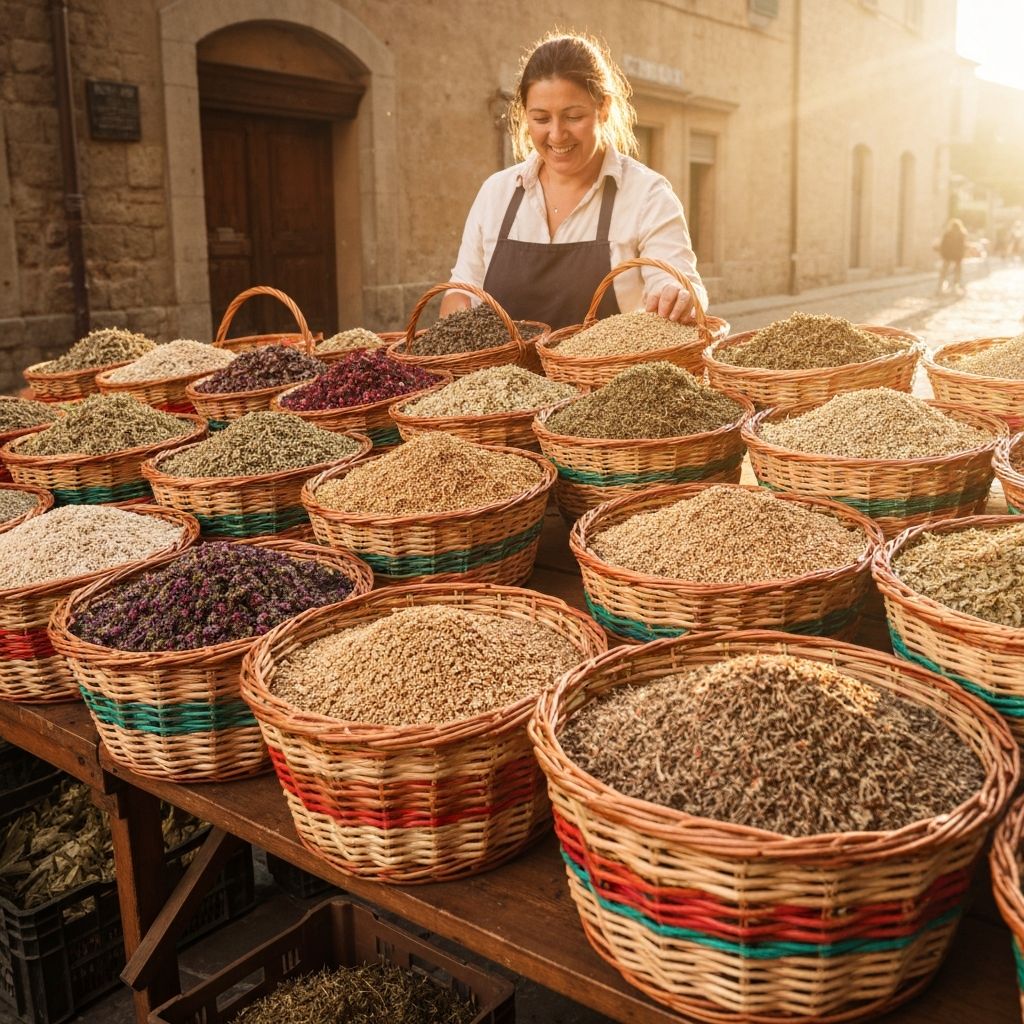
Both Tribulus terrestris and Trigonella foenum-graecum have deep roots in Mediterranean wellness customs. Italian, Greek, and other Mediterranean cultures integrated these plants into daily wellness routines, reflecting their importance in regional herbal knowledge.
Historical records show these plants were valued for their presence in household herbal collections. Herbalists across the Mediterranean documented their cultivation, preparation methods, and roles in traditional wellness practices.
The cultural significance of these plants extends beyond their botanical properties—they represent a connection to ancestral knowledge and regional identity, with traditional preparation methods passed down through generations within Mediterranean communities.
Key Phytochemical Groups
Both plants contain various organic compounds that have interested researchers examining traditional herbal practices:
Furostanol Saponins
Tribulus terrestris contains furostanol saponins, a class of naturally occurring compounds found in various plant species. These compounds are subject to ongoing scientific investigation regarding their properties and presence in traditional herbal preparations.
Protodioscin
A steroidal compound found in Tribulus species, protodioscin represents one of the plant's notable chemical constituents. This compound continues to be studied in the broader context of plant biochemistry and traditional herbal composition.
Diosgenin & Trigonelline
Fenugreek contains diosgenin, a naturally occurring steroid precursor, and trigonelline, an alkaloid compound. These chemical components contribute to the plant's chemical profile and traditional uses in various cultures.
Traditional Preparation Methods
Mediterranean and traditional herbal practices demonstrate several preparation methods for these plants:
- Seeds & Powders: Both plants' seeds are traditionally ground into fine powders for various household preparations and traditional recipes.
- Decoctions & Infusions: Traditional heating methods involve steeping or simmering plant materials to create infused preparations used in daily wellness routines.
- Dried Forms: Seeds and fruits are traditionally dried for long-term storage, allowing year-round access to these valued plants.
- Household Preparations: Traditional recipes combine these plants with other herbs, spices, and foods in Mediterranean culinary and wellness traditions.
Cultural Context of Vitality Herbs
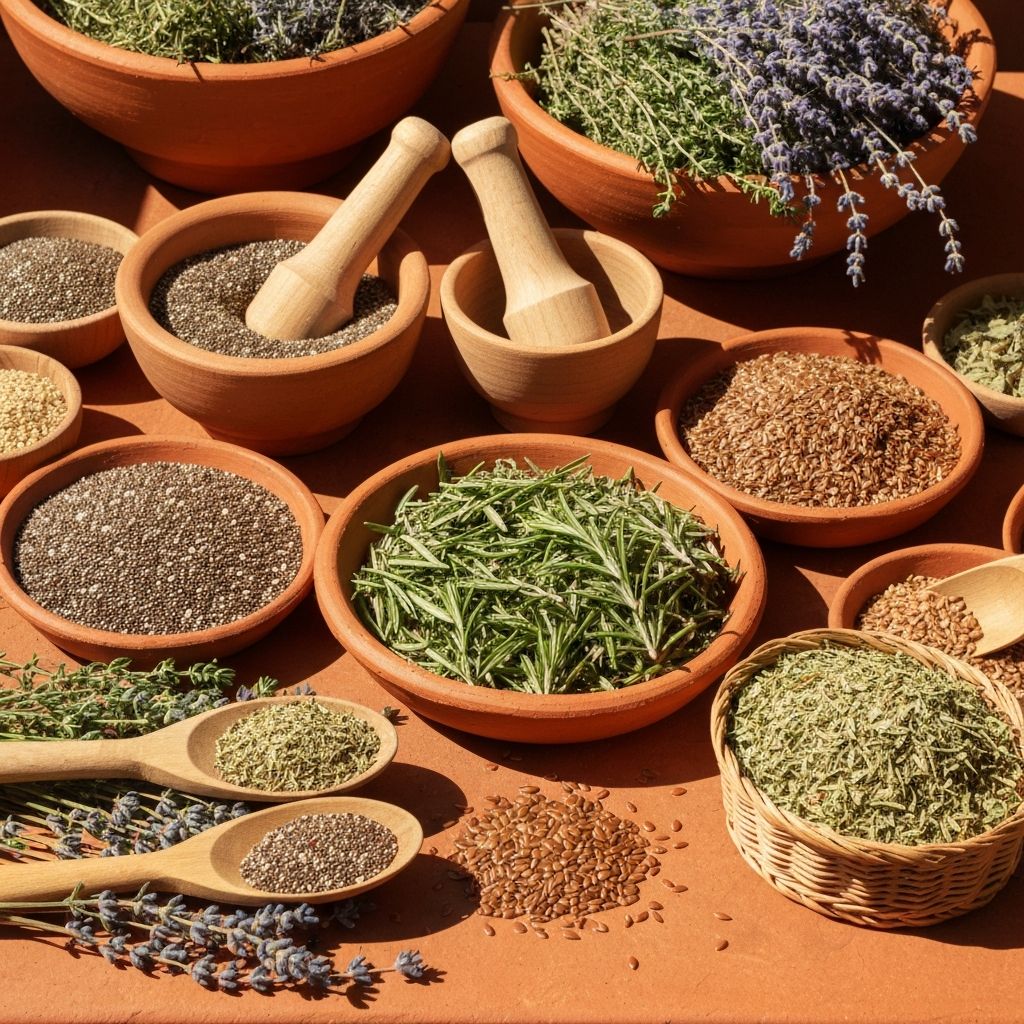
In Mediterranean wellness traditions, herbs and plants have always held symbolic and practical importance. Plants associated with vitality and general well-being occupy special places in cultural practices, daily routines, and traditional knowledge systems.
Tribulus terrestris and Trigonella foenum-graecum represent this heritage—valued not as singular solutions, but as components of broader lifestyle practices centered on general wellness and balance. They appear in traditional recipes, herbal collections, and cultural wisdom passed through generations.
The use of these plants reflects Mediterranean philosophy of wellness: an integration of plant knowledge, lifestyle practices, and cultural tradition—a holistic approach to everyday health and vitality.
Breathing Awareness Exercises
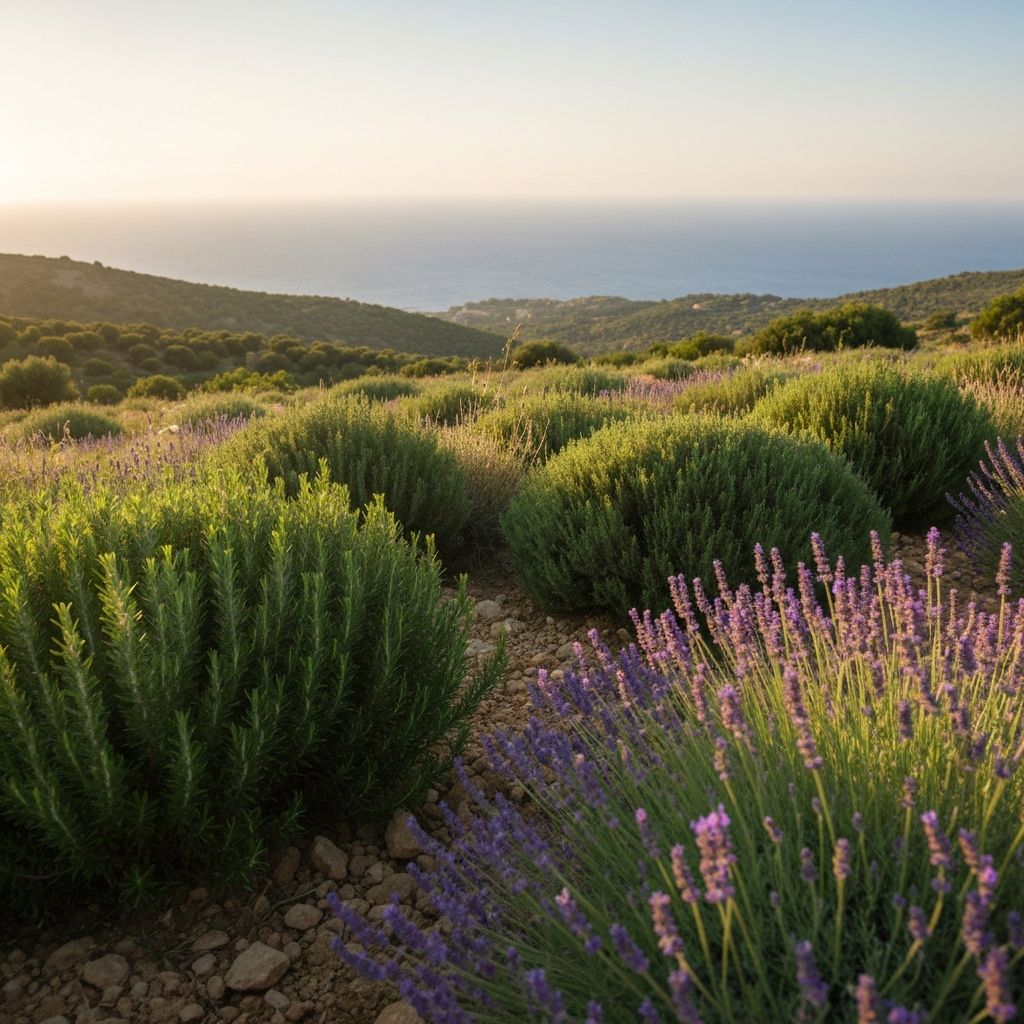
Traditional wellness practices across cultures incorporate conscious breathing techniques as foundational elements for stress reduction and mental clarity. These simple practices can be integrated into daily routines:
Simple Breathing Pattern
A traditional approach involves rhythmic breathing: inhale for a count of four, hold briefly, then exhale for a count of four. This balanced pattern encourages parasympathetic nervous system engagement and supports mental focus.
Practicing this pattern for just five minutes each day—morning or evening—can support general stress awareness and concentration. No equipment is needed; this practice works anywhere and requires only consistent attention to breath awareness.
Short Relaxation Techniques

Traditional wellness cultures recognize the importance of brief periods of intentional relaxation. These accessible techniques support daily stress management:
Progressive Awareness
A simple practice involves systematically bringing awareness to different body areas. Starting with the feet, slowly move attention upward, noticing sensations without judgment. This takes approximately five minutes and requires only a quiet space.
Nature Connection
Brief outdoor exposure—even five minutes—supports mental clarity. Stepping outside, feeling sun or breeze, and observing natural surroundings offers measurable benefits for stress reduction and emotional balance.
Nutrition: The Role of Seed Diversity
Mediterranean dietary traditions emphasize plant-based foods, seeds, and legumes as foundational components. Both Tribulus and Fenugreek represent this broader category of seed-bearing and legume plants valued in traditional Mediterranean nutrition.
Seeds and legumes contribute important nutritional elements to daily diets. The Mediterranean approach to food includes diverse seed and plant sources as regular dietary components, supporting overall nutritional diversity and balance.
This perspective views herbs and botanical materials not as isolated interventions, but as integrated elements of broader nutritional and lifestyle practices—reflecting the holistic Mediterranean approach to everyday wellness.
Important Information
Educational Content Only. All information on this site is provided for educational purposes and describes historical, botanical, and cultural contexts.
Not Medical Advice. This content does not constitute medical advice, diagnosis, treatment recommendations, or professional guidance. Individual wellness decisions should involve consultation with qualified healthcare professionals.
No Personal Recommendations. This site makes no individual recommendations about plant use, dosages, preparations, or their effects on any aspect of health.
Diverse Approaches. People follow many different approaches to wellness. This site simply explains traditional knowledge and botanical information without promoting any particular approach.
For questions about your individual health situation, consult with qualified healthcare providers.